Drain Field Replacement in Columbus, OH
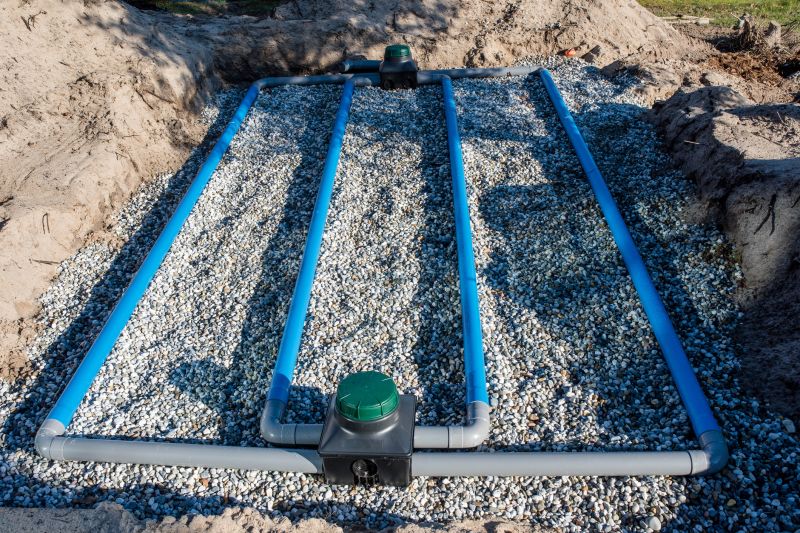
Drain field replacement involves removing and installing a new absorption area for a septic system, typically when the existing drain field has failed or becomes inefficient. This service covers a range of projects including replacing damaged or clogged drain lines, upgrading old systems to meet current standards, and expanding the capacity of existing systems to accommodate property growth. Homeowners usually want to understand the signs of drain field failure, such as persistent odors, pooling water, or lush grass growth, and seek guidance on what to expect during the replacement process to ensure their property remains functional and compliant with local regulations.
Before requesting drain field replacement, property owners should consider factors like the size of the property, the condition of the existing septic system, and any local codes or permitting requirements. It’s also helpful to understand the typical lifespan of a drain field, common causes of failure, and the potential impact on landscaping or outdoor use during installation. Clear communication about these aspects can help homeowners plan accordingly and ensure the new system effectively supports their property's wastewater management needs.
Many property owners in Columbus, OH look into Drain Field Replacement for repairs, replacements, upgrades, and appearance-related improvements.
Signs You Need A Drain Field Replacement
Persistent odors, pooling wastewater, or lush patches of grass may indicate a failing drain field.
Benefits Of Replacing A Drain Field
A new drain field can improve system efficiency and prevent costly backups or repairs.

Common Replacement Methods
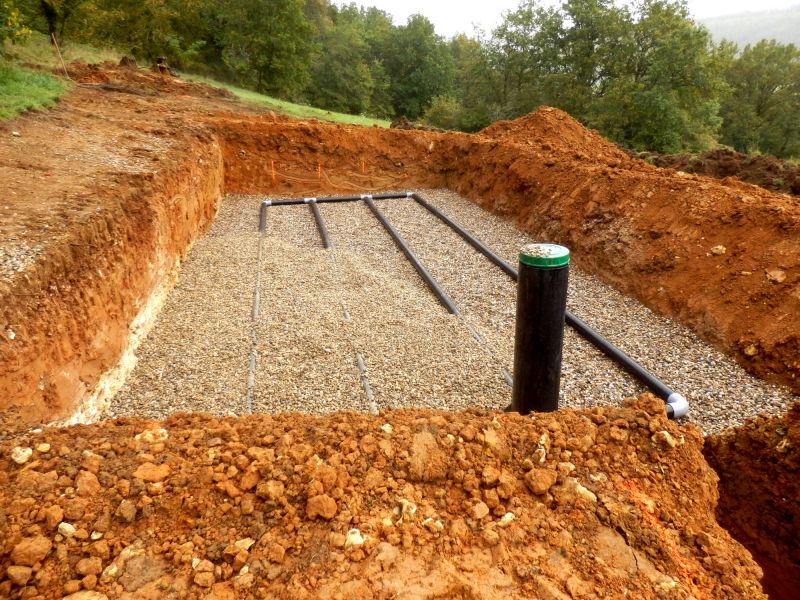
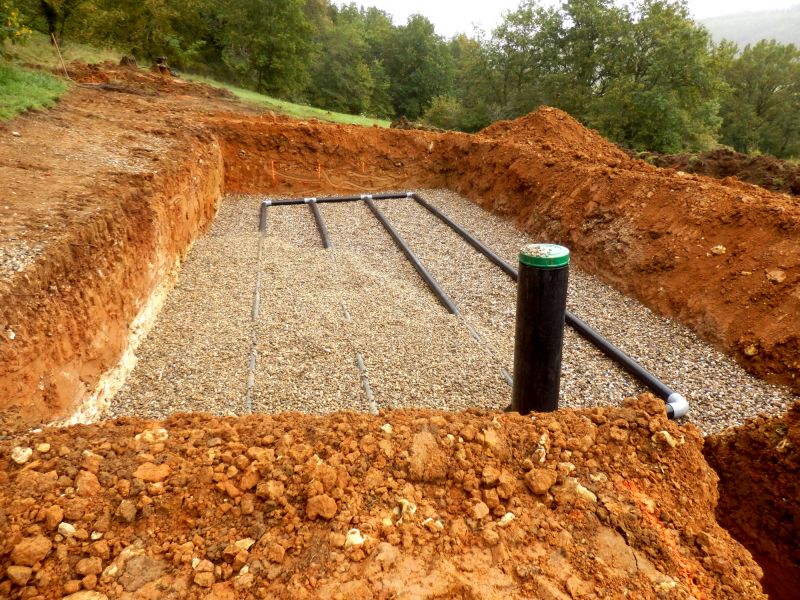
Replacing a drain field involves excavation and installing new piping to ensure proper wastewater dispersal.
Drain Field Replacement in Columbus, OH

Drain field replacement involves removing and installing a new absorption area for a septic system, typically when the existing drain field has failed or becomes inefficient. This service covers a range of projects including replacing damaged or clogged drain lines, upgrading old systems to meet current standards, and expanding the capacity of existing systems to accommodate property growth. Homeowners usually want to understand the signs of drain field failure, such as persistent odors, pooling water, or lush grass growth, and seek guidance on what to expect during the replacement process to ensure their property remains functional and compliant with local regulations.
Before requesting drain field replacement, property owners should consider factors like the size of the property, the condition of the existing septic system, and any local codes or permitting requirements. It’s also helpful to understand the typical lifespan of a drain field, common causes of failure, and the potential impact on landscaping or outdoor use during installation. Clear communication about these aspects can help homeowners plan accordingly and ensure the new system effectively supports their property's wastewater management needs.
Many property owners in Columbus, OH look into Drain Field Replacement for repairs, replacements, upgrades, and appearance-related improvements.
Common Drain Field Replacement Jobs
Drain Field Replacement - Replacing aging or damaged drain fields to ensure proper wastewater dispersal.
Septic System Upgrades - Upgrading existing drain fields to improve system performance and prevent backups.
New Drain Field Installation - Installing new drain fields for properties without an existing septic system.
Drain Field Repair - Repairing broken or clogged drain fields to restore functionality.
Soil Evaluation Services - Assessing soil conditions to determine the best location for drain field replacement.
System Maintenance Advice - Providing guidance on maintaining a healthy drain field to extend its lifespan.

Drain Field Replacement Questions
What is drain field replacement? It involves removing and installing a new drain field system to ensure proper wastewater dispersal from a septic system.
When is drain field replacement needed? Signs include persistent odors, standing water, or sewage backups in the yard, indicating the current system may be failing.
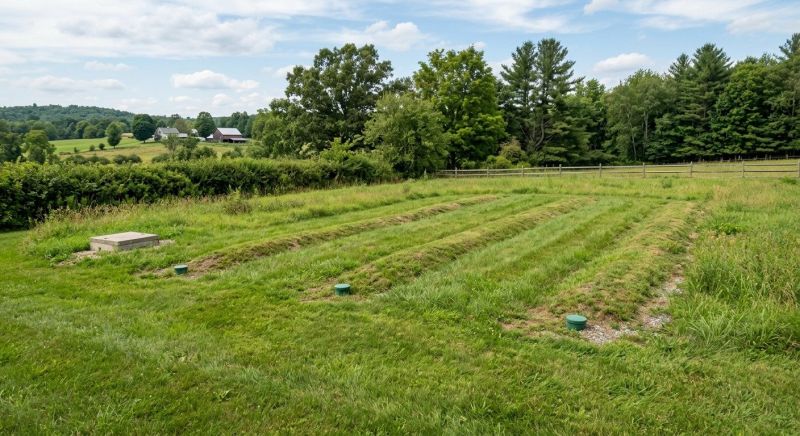
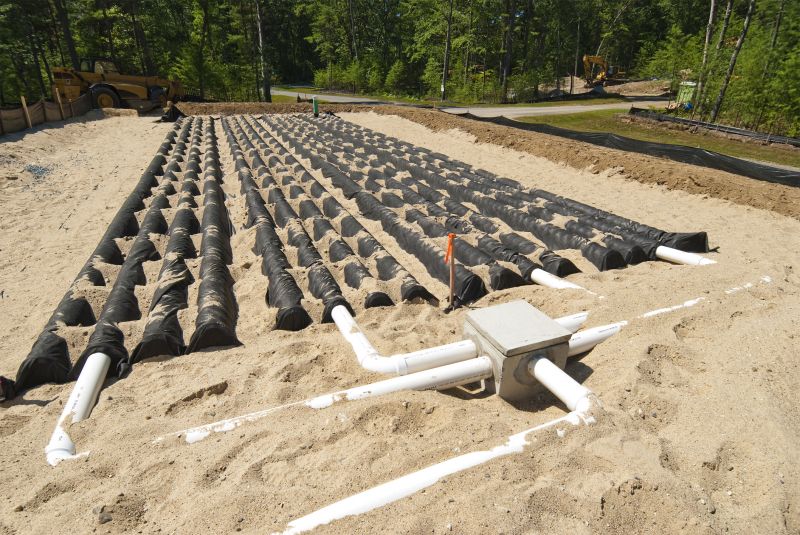
What types of drain field systems are available? Common options include trench, mound, and at-grade systems, chosen based on property conditions and soil type.
How should property owners prepare for drain field replacement? It's recommended to clear the area of obstacles and inform about any existing septic system issues before work begins.
Request Drain Field Replacement in Columbus, OH
Use the quote form on this page to share the basics of your project and request more information for the type of work you need.