The Most Common Septic Problems Homeowners Face
Homeowners facing common septic problems often need repairs or replacements, and local service providers can help resolve these issues efficiently and reliably.
Homeowners exploring the most common septic problems face are often seeking practical solutions to keep their systems functioning smoothly. Whether it’s frequent backups, unpleasant odors, or slow-draining fixtures, these issues can disrupt daily routines and lead to more serious concerns if left unaddressed. Understanding the typical challenges that arise with septic systems helps property owners recognize warning signs early, making it easier to find effective repairs or replacements when needed. Local contractors specializing in septic services can provide the expertise necessary to diagnose and resolve these common problems, helping homeowners maintain a reliable and efficient system.
For property owners in the area, staying informed about septic system issues is a key part of responsible homeownership. Problems like root intrusion, sludge buildup, or damaged components are frequent culprits behind septic failures. Addressing these concerns promptly with assistance from experienced service providers can prevent costly repairs down the line. Whether a septic replacement or repair is needed, local professionals are equipped to handle the job efficiently, ensuring the system operates properly and reduces the risk of future problems. Keep reading to learn more about how these common septic issues develop and what options are available to keep systems working their best.
- Septic tank replacement - homeowners experiencing persistent backups or tank failure often need a full replacement, which local contractors approach by assessing tank condition and installing new systems.
- Septic system repair - when clogs, leaks, or drain field issues arise, local service providers diagnose the problem and perform necessary repairs to restore proper function.
- Drain field replacement - if effluent is surfacing or the drain field shows signs of failure, local pros evaluate the site and replace damaged drain fields to prevent further issues.
- Septic tank repair - cracks, corrosion, or structural damage can require repairs, with local contractors using specialized techniques to extend the life of existing tanks.
- Septic system troubleshooting - homeowners facing unexplained odors or slow drains benefit from local experts who identify underlying septic problems and recommend appropriate solutions.
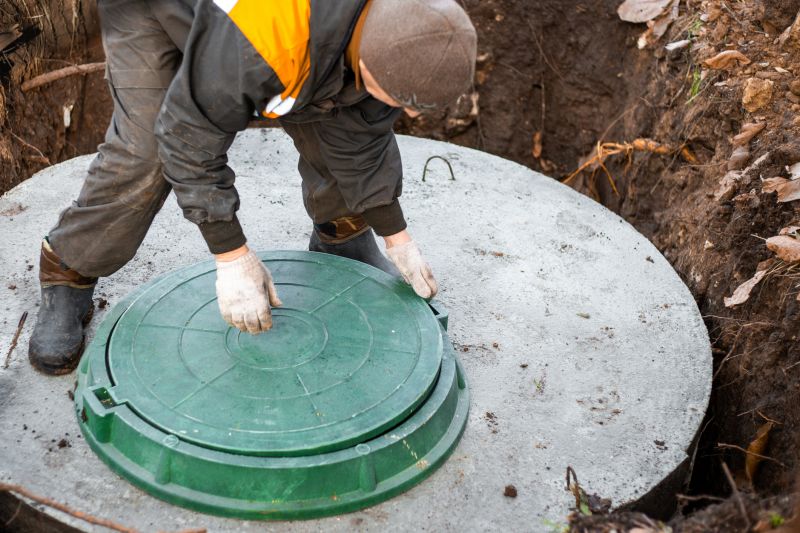
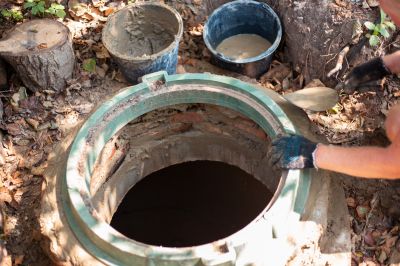
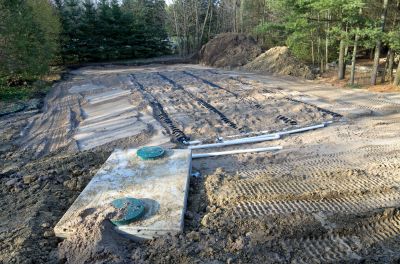
Understanding the most common septic problems homeowners face is essential for maintaining a functioning and reliable septic system. When people search for this topic, they are often looking for information about issues that can disrupt household sanitation, cause unpleasant odors, or lead to costly repairs. These problems typically relate to the septic tank, drain field, or piping, and can stem from improper usage, aging components, or system overload. Homeowners want to identify symptoms early and learn about potential solutions, which often involve the expertise of local contractors specializing in septic repair or replacement.
Septic system problems commonly encountered include backups or overflows, slow-draining fixtures, foul odors, and standing water around the drain field area. These issues can signal a range of underlying causes, such as a full or failing septic tank, clogged or damaged pipes, or an overwhelmed drain field. In some cases, homeowners may need to consider replacing an outdated system or repairing damaged components to restore proper function. These problems are often linked to plans for upgrading or maintaining existing septic systems, especially in areas where new construction or property expansion is underway.
The types of properties affected by septic issues are typically residential homes that are not connected to municipal sewer lines. This includes rural houses, farms, and properties with large or multiple dwellings. Older homes with aging septic infrastructure are more prone to problems, as are properties with high water usage or inadequate drain field capacity. Additionally, properties undergoing renovations or expansions may face septic challenges if the current system cannot support increased demand. Recognizing the property type helps homeowners understand the scope of potential repairs and the importance of working with experienced service providers.
For homeowners facing septic problems, connecting with local contractors who specialize in septic repair or replacement is a practical step toward resolving issues efficiently. These service providers can assess the specific problem, recommend appropriate solutions, and carry out necessary repairs or upgrades. Whether it involves fixing a clogged pipe, replacing a failing tank, or installing a new system, working with experienced local pros ensures the work aligns with the property’s needs and local regulations. Proper diagnosis and timely intervention can prevent further damage and help maintain a healthy, functioning septic system for years to come.
Drain field installation - professionals experienced in installing and repairing drain fields can address issues related to septic system failure and improper drainage, similar to septic repair projects.
Septic tank pumping and cleaning - routine maintenance tasks like pumping help prevent common septic problems and require knowledge of septic system components and proper tools.
Pipe repair and replacement - fixing damaged or clogged pipes involves planning, excavation, and the use of specialized tools, paralleling septic system repairs.
Soil testing and site assessment - evaluating soil conditions is essential for septic system success and shares planning skills necessary for septic installation or repairs.
Backyard grading and drainage solutions - improving yard drainage can prevent septic system issues and involves similar planning and excavation skills as septic repairs.
Water leak detection and repair - identifying and fixing underground leaks requires specialized tools and planning, akin to troubleshooting septic system problems.
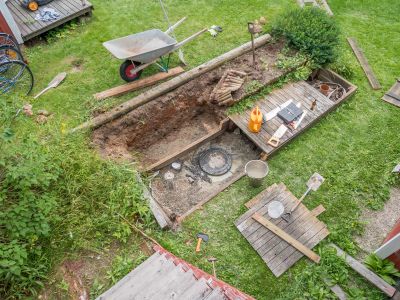
When comparing service providers for septic replacement or repair, it’s important to consider their experience with similar projects. Homeowners should inquire about how long a contractor has been working on septic systems and whether they have handled issues comparable to the most common septic problems homeowners face. An experienced local contractor will have a better understanding of the specific challenges that can arise during repairs or replacements, which can contribute to a smoother process and more reliable results.
Clear written expectations are essential when evaluating potential service providers. Homeowners should seek detailed information about the scope of work, materials used, and the steps involved in the repair or replacement process. Having this information in writing helps ensure everyone is on the same page and reduces the risk of misunderstandings. It also provides a basis for comparing different contractors’ approaches and professionalism, making it easier to identify those who communicate transparently and thoroughly.
Reputable references and good communication are key factors in selecting a dependable service provider. Homeowners can ask for references from previous clients who had similar septic issues addressed, and should follow up to learn about their experiences. A contractor that maintains open, clear, and prompt communication can make the process less stressful and more predictable. When service providers are transparent and responsive, homeowners can feel more confident in their choice, knowing that their concerns and questions will be addressed throughout the project.
Property owners often search for the most common septic problems homeowners face when they are planning practical projects around their homes and businesses. Local pros provide Septic Replacement or Repair services for everyday jobs and straightforward project options.
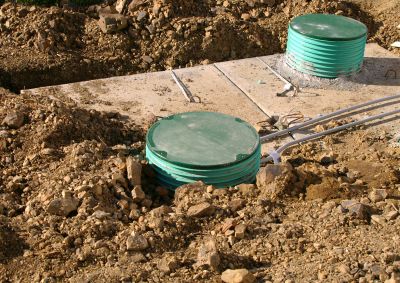
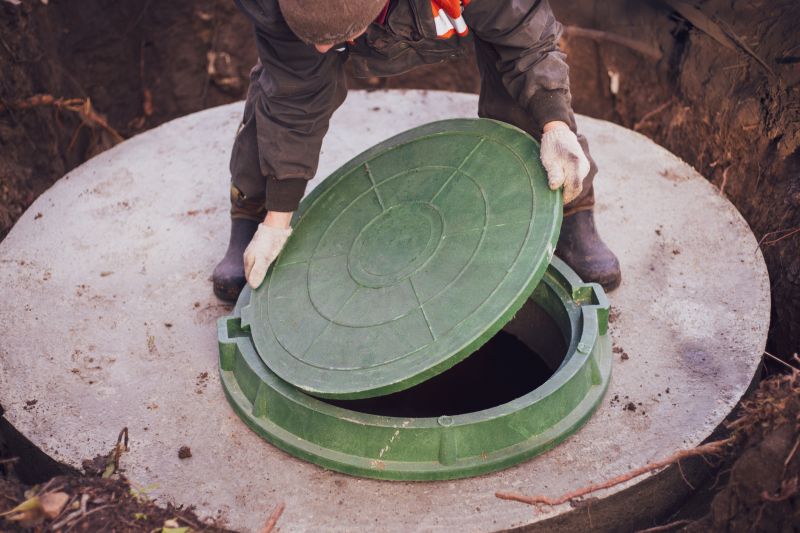
Homeowners in the area often encounter common septic problems that can disrupt daily routines and lead to more extensive repairs if not addressed promptly. Issues like slow drains, unpleasant odors, or backups are frequent concerns that may signal underlying problems with the septic system. These everyday situations often prompt property owners to seek the expertise of local contractors who specialize in septic repair or replacement services, ensuring the system functions properly and avoids further damage.
Many property owners also look into septic services when experiencing recurring issues such as standing water around the septic tank or signs of system failure. Such problems can stem from clogs, failing components, or outdated systems that need upgrading. Connecting with experienced service providers can help determine the root cause and provide effective solutions, whether that means repairing existing parts or replacing the entire system to restore proper operation.
What are common signs of septic system failure? Homeowners often notice slow drains, foul odors, or pooling water near the septic tank, which may indicate the need for repair or replacement services from local contractors.
Why does my septic system back up or overflow? Backup or overflow can result from clogs, a full tank, or damaged components, and local service providers can diagnose and address these issues effectively.
How can tree roots affect my septic system? Tree roots can infiltrate pipes and cause blockages or damage, leading to costly repairs that local septic specialists can repair or replace as needed.
What causes septic system odors to become noticeable? Odors may be caused by venting issues, leaks, or failing components, and experienced contractors can perform repairs to restore proper function.
When is septic replacement necessary instead of repair? Replacement is typically needed when the system is extensively damaged or outdated, and local contractors can evaluate and recommend the best course of action.
Identifying Drainfield Issues - Homeowners can recognize signs of drainfield failure, such as surface pooling or foul odors, and seek septic repair services from local contractors to address the problem.
Preventing System Clogs - Regularly avoiding flushing non-biodegradable items and scheduling professional inspections can help prevent common blockages that lead to septic system repairs.
Addressing Backup Problems - When sewage backs up into the home, contacting local septic specialists can facilitate timely repairs to restore proper system function.
Monitoring Water Usage - Managing household water consumption reduces strain on the septic system and helps prevent issues that require septic replacement or repair services.
If you are thinking about the most common septic problems homeowners face for a property, this guide is meant to help you understand this topic, the typical project types, and how different options might fit your plans.
When you are ready, you can use the quote form on this page to share a few details about your project. From there, local pros can review the basics and follow up with options that match what you have in mind.