Sewer Replacement in Denver, CO
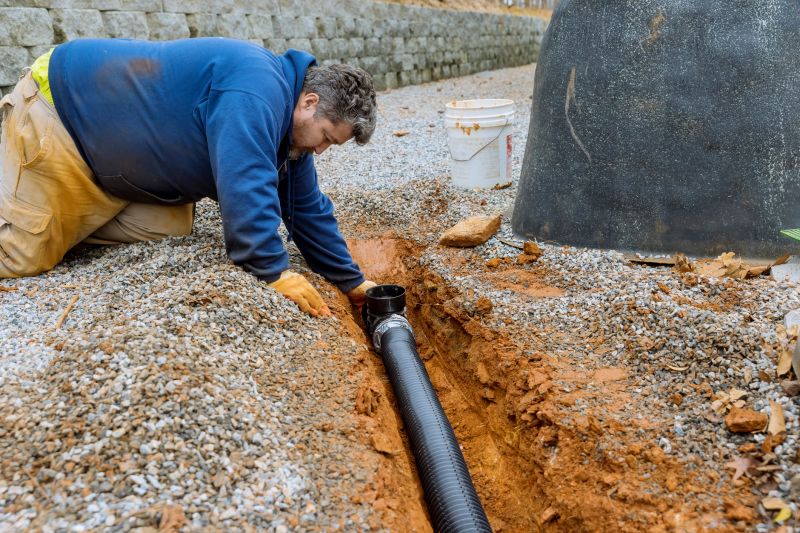
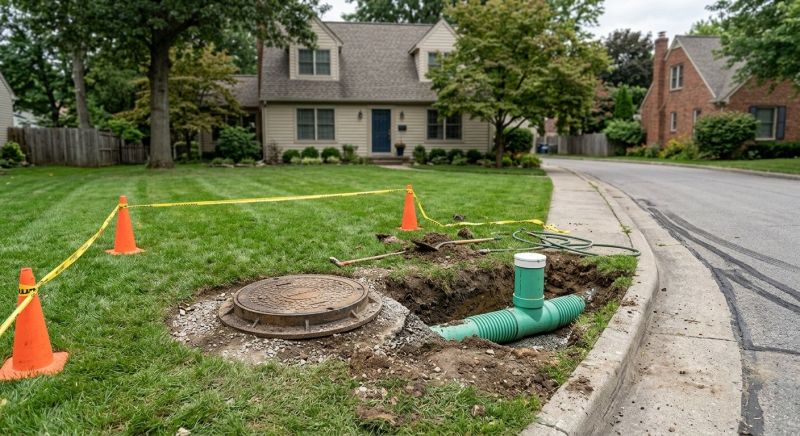
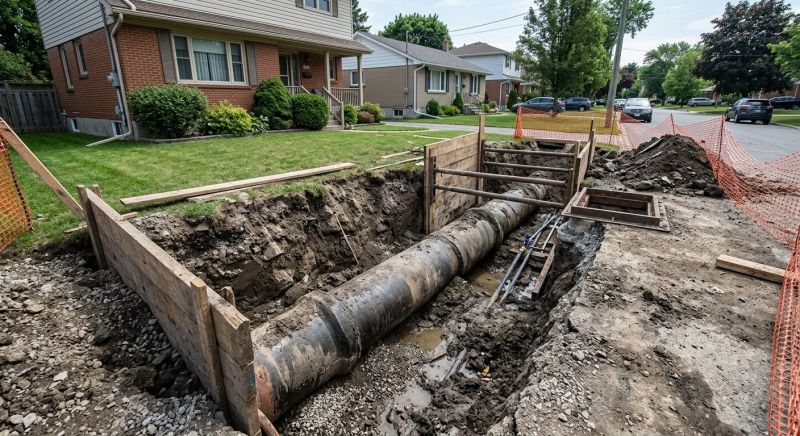
Sewer replacement services involve removing and installing underground sewer lines that are damaged, outdated, or no longer functioning properly. These projects typically address issues such as persistent backups, severe pipe deterioration, root intrusion, or significant cracks and leaks. Homeowners considering sewer replacement should understand the scope of the work, which often includes excavation, pipe removal, and the installation of new sewer lines designed to meet current standards. It’s important to evaluate the extent of the damage and determine whether a full replacement or repair is appropriate for the property’s needs.
Property owners usually want to know the signs indicating sewer problems, such as foul odors, slow drains, or recurring backups, which may signal the need for replacement. Additionally, understanding the potential impact on landscaping and property access during the project can help in planning. Clarifying the type of sewer line material, the method of installation, and any local regulations or permits required can also ensure a smooth process. Contacting professionals for an assessment can provide clarity on the best approach to restore reliable sewer service.
Many property owners in Denver, CO look into Sewer Replacement for repairs, replacements, upgrades, and appearance-related improvements.
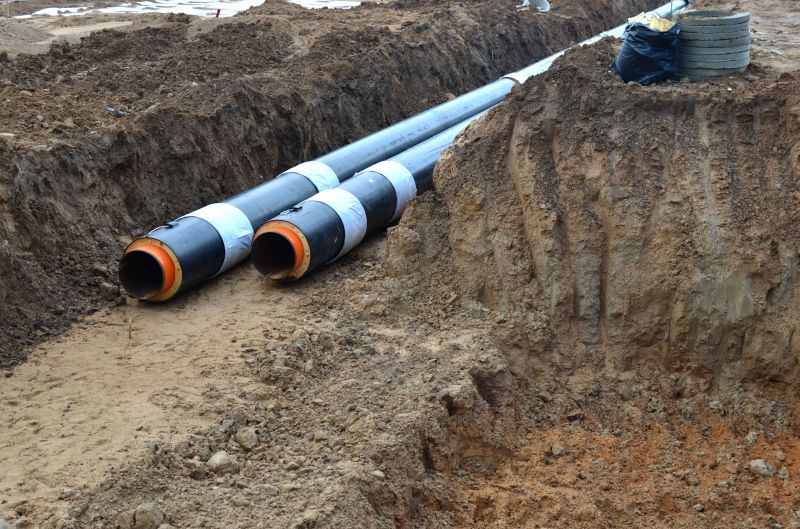
Signs You Need Sewer Replacement
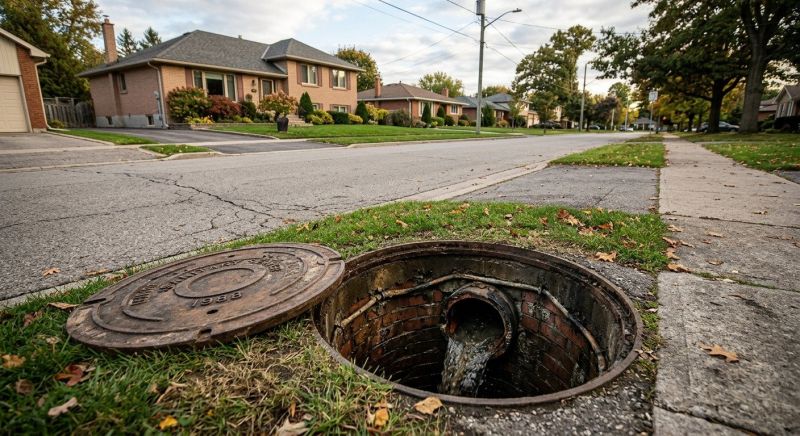
Persistent backups, foul odors, or slow drains can indicate sewer system issues that require replacement.
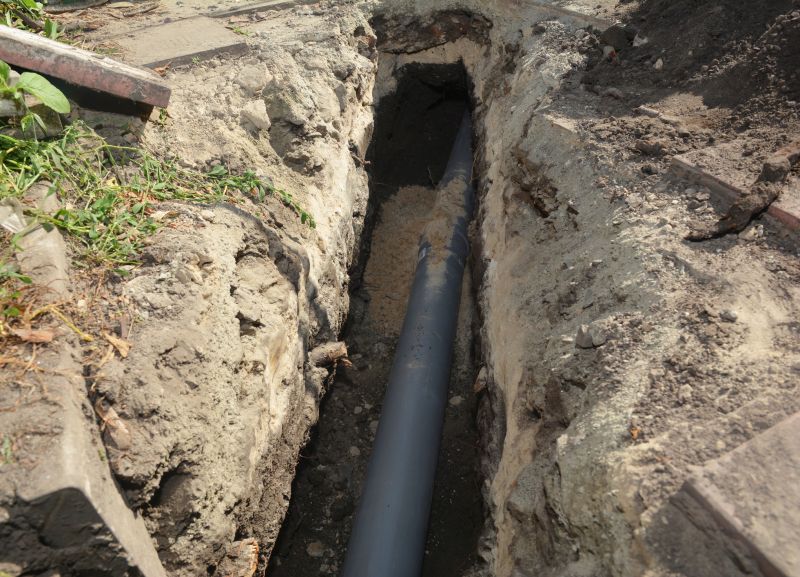
Benefits Of Sewer Replacement
Replacing aging or damaged sewer lines helps prevent costly repairs and maintains proper drainage throughout your property.
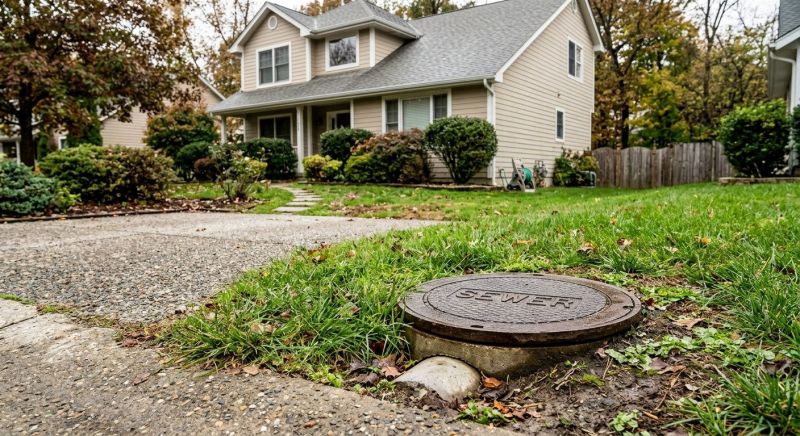
Common Sewer Replacement Projects
Projects may include replacing old clay pipes, upgrading to durable materials, or rerouting lines to improve flow in denver neighborhoods.
Sewer Replacement in Denver, CO
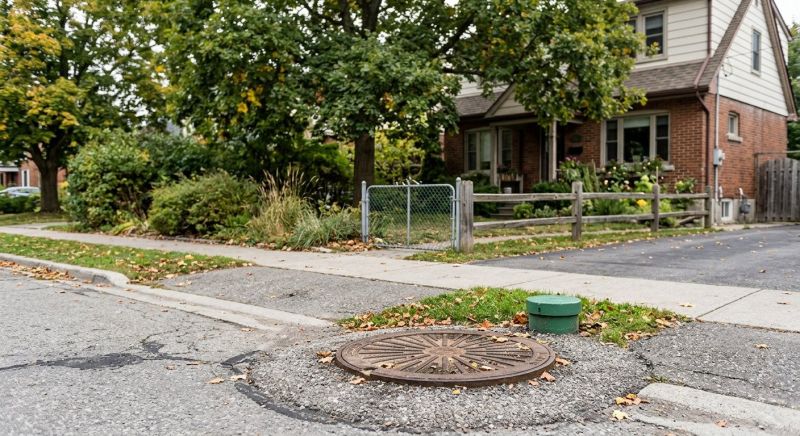
Sewer replacement services involve removing and installing underground sewer lines that are damaged, outdated, or no longer functioning properly. These projects typically address issues such as persistent backups, severe pipe deterioration, root intrusion, or significant cracks and leaks. Homeowners considering sewer replacement should understand the scope of the work, which often includes excavation, pipe removal, and the installation of new sewer lines designed to meet current standards. It’s important to evaluate the extent of the damage and determine whether a full replacement or repair is appropriate for the property’s needs.
Property owners usually want to know the signs indicating sewer problems, such as foul odors, slow drains, or recurring backups, which may signal the need for replacement. Additionally, understanding the potential impact on landscaping and property access during the project can help in planning. Clarifying the type of sewer line material, the method of installation, and any local regulations or permits required can also ensure a smooth process. Contacting professionals for an assessment can provide clarity on the best approach to restore reliable sewer service.
Many property owners in Denver, CO look into Sewer Replacement for repairs, replacements, upgrades, and appearance-related improvements.
Common Sewer Replacement Jobs
Sewer Replacement - involves removing and installing new sewer lines to ensure proper waste removal.
Full Sewer Line Replacement - replaces entire sewer lines that are damaged or outdated to prevent backups and leaks.
Trenchless Sewer Replacement - uses minimally invasive methods to replace sewer pipes without extensive digging.
Sectional Sewer Replacement - involves replacing specific damaged sections of the sewer line for targeted repairs.
Emergency Sewer Replacement - addresses urgent sewer line failures to restore proper function quickly.
Sewer Line Upgrades - modernizes aging sewer systems to meet current standards and improve efficiency.
Sewer Replacement Questions
What are signs that a sewer line needs replacement? Indicators include persistent backups, unpleasant odors, slow drains, or frequent clogging issues in the property.
What causes sewer lines to fail? Common causes include aging pipes, ground shifting, tree root intrusion, and corrosion over time.
Is sewer replacement disruptive to property? Some disruption may occur, especially if excavation is needed, but planning can minimize impact on the property.
What types of sewer replacement options are available? Options include traditional trenching, pipe lining, and pipe bursting, depending on the condition of the existing system.
Request Sewer Replacement in Denver, CO
Use the quote form on this page to share the basics of your project and request more information for the type of work you need.