Warehouse Plumbing Repair in Denver, CO
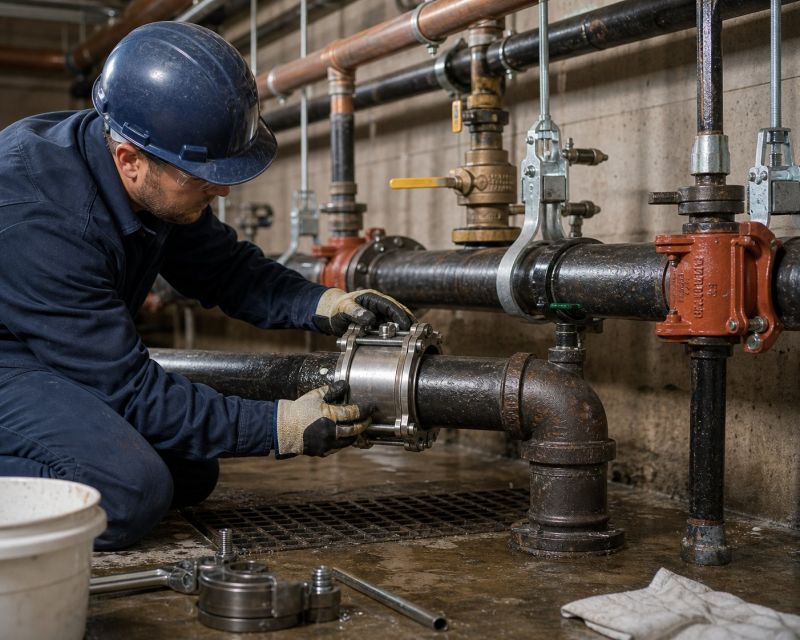
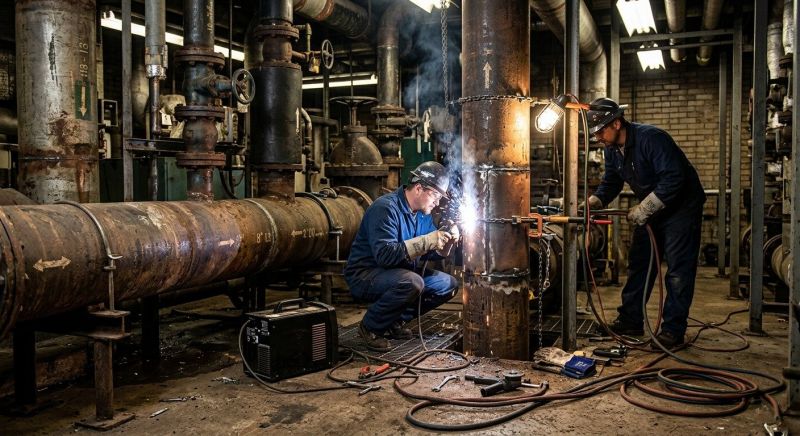
Warehouse plumbing repair services address issues within the plumbing systems of commercial or industrial storage facilities, including warehouses and distribution centers. These services typically cover repairs for leaking or burst pipes, clogged drains, faulty valves, and damaged fixtures that can disrupt operations or cause water damage. Property owners often seek these repairs to restore proper water flow, prevent potential flooding, and maintain a safe environment for staff and stored goods.
Before requesting warehouse plumbing repairs, property owners should understand the scope of the problem, including the location and extent of damage, as well as any ongoing issues affecting multiple areas of the facility. It is also helpful to know the type of plumbing materials used and whether there are any specific safety or operational considerations that could influence repair methods. Clear communication about these details can help ensure the repair process is efficient and effective.
Many property owners in Denver, CO look into Warehouse Plumbing Repair for repairs, replacements, upgrades, and appearance-related improvements.
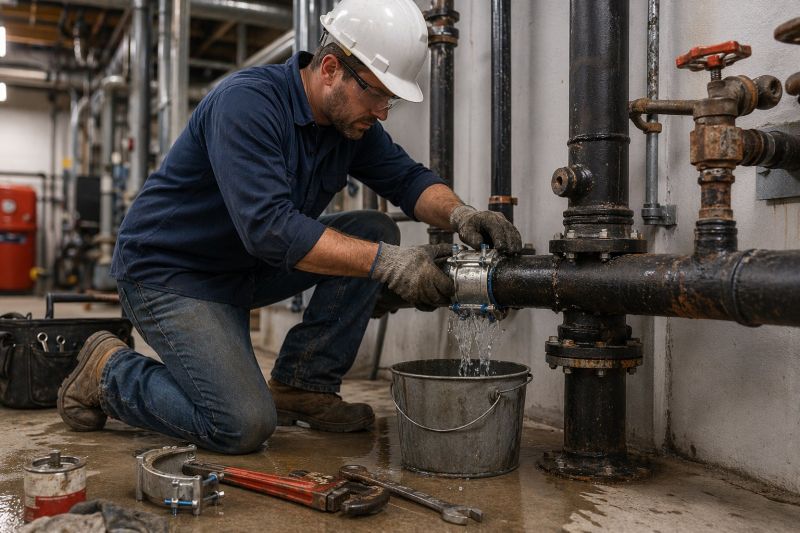
Common Warehouse Plumbing Issues
Repairs often involve fixing leaks, clogs, or burst pipes to ensure proper water flow.
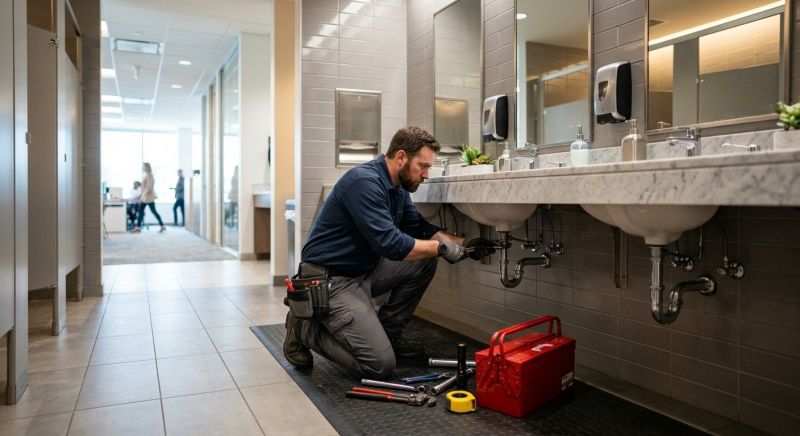
Preventative Maintenance Tips
Regular inspections can help identify potential problems before they cause major damage or downtime.
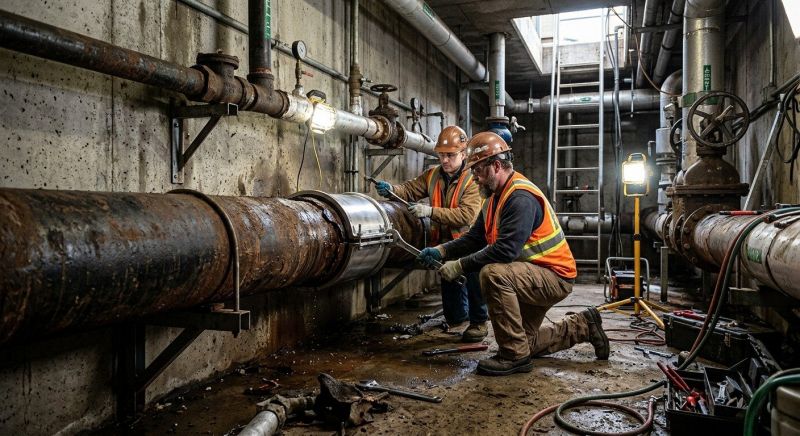
Signs You Need Repairs
Unusual noises, water stains, or low pressure may indicate underlying plumbing issues in the warehouse.
Warehouse Plumbing Repair in Denver, CO
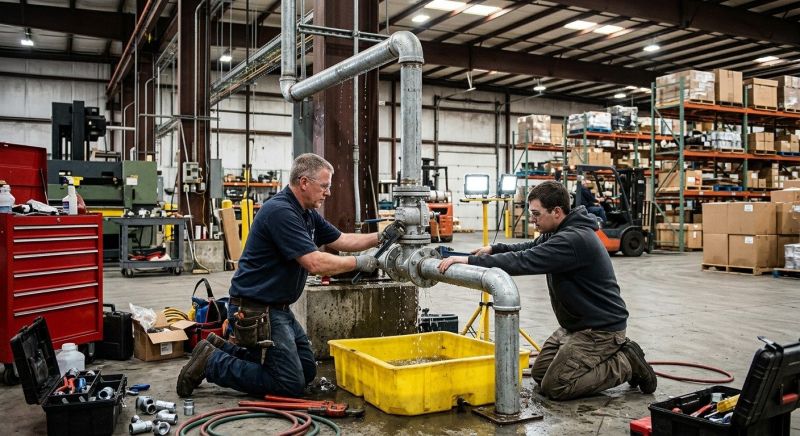
Warehouse plumbing repair services address issues within the plumbing systems of commercial or industrial storage facilities, including warehouses and distribution centers. These services typically cover repairs for leaking or burst pipes, clogged drains, faulty valves, and damaged fixtures that can disrupt operations or cause water damage. Property owners often seek these repairs to restore proper water flow, prevent potential flooding, and maintain a safe environment for staff and stored goods.
Before requesting warehouse plumbing repairs, property owners should understand the scope of the problem, including the location and extent of damage, as well as any ongoing issues affecting multiple areas of the facility. It is also helpful to know the type of plumbing materials used and whether there are any specific safety or operational considerations that could influence repair methods. Clear communication about these details can help ensure the repair process is efficient and effective.
Many property owners in Denver, CO look into Warehouse Plumbing Repair for repairs, replacements, upgrades, and appearance-related improvements.
Common Warehouse Plumbing Repair Jobs
Warehouse plumbing repairs - address leaks, clogs, and pipe damage in storage and utility areas.
Pipe replacement - upgrade old or corroded pipes to prevent future leaks and improve flow.
Leak detection - identify hidden leaks that can cause water damage and increase utility bills.
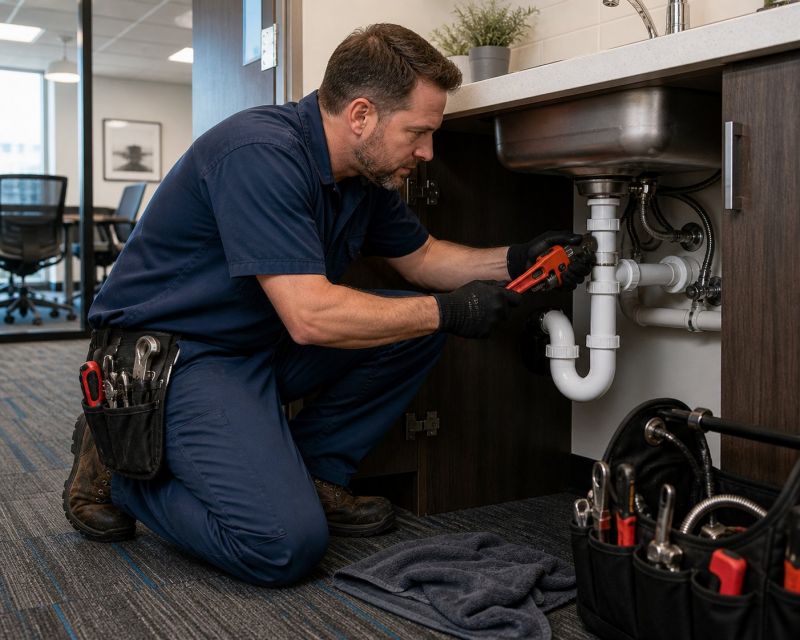
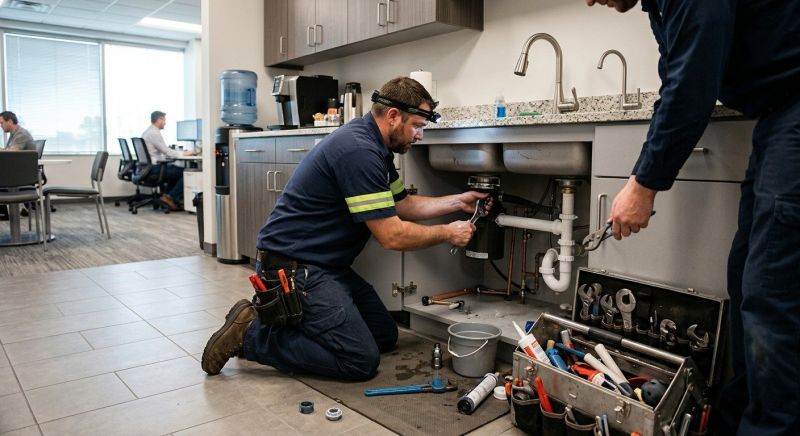
Fixture repairs - fix or replace sinks, valves, and other plumbing fixtures in warehouse spaces.
Drain cleaning - clear blockages in floor drains and utility lines for proper drainage.
Emergency plumbing services - respond quickly to urgent issues that disrupt warehouse operations.
Warehouse Plumbing Repair Questions
What types of plumbing issues are common in warehouses? Common problems include leaking pipes, clogged drains, and faulty valves that can disrupt operations.
How can warehouse plumbing problems affect operations? Plumbing issues can cause water damage, safety hazards, and downtime, impacting daily activities.
What signs indicate a plumbing repair is needed? Signs include persistent leaks, low water pressure, or unusual odors near plumbing fixtures.
What maintenance helps prevent plumbing issues in warehouses? Regular inspections, prompt repairs, and keeping drains clear can help prevent major problems.
Request Warehouse Plumbing Repair in Denver, CO
Use the quote form on this page to share the basics of your project and request more information for the type of work you need.